
Master Your Trading Journal
Track trades, analyze performance, and improve your trading results.
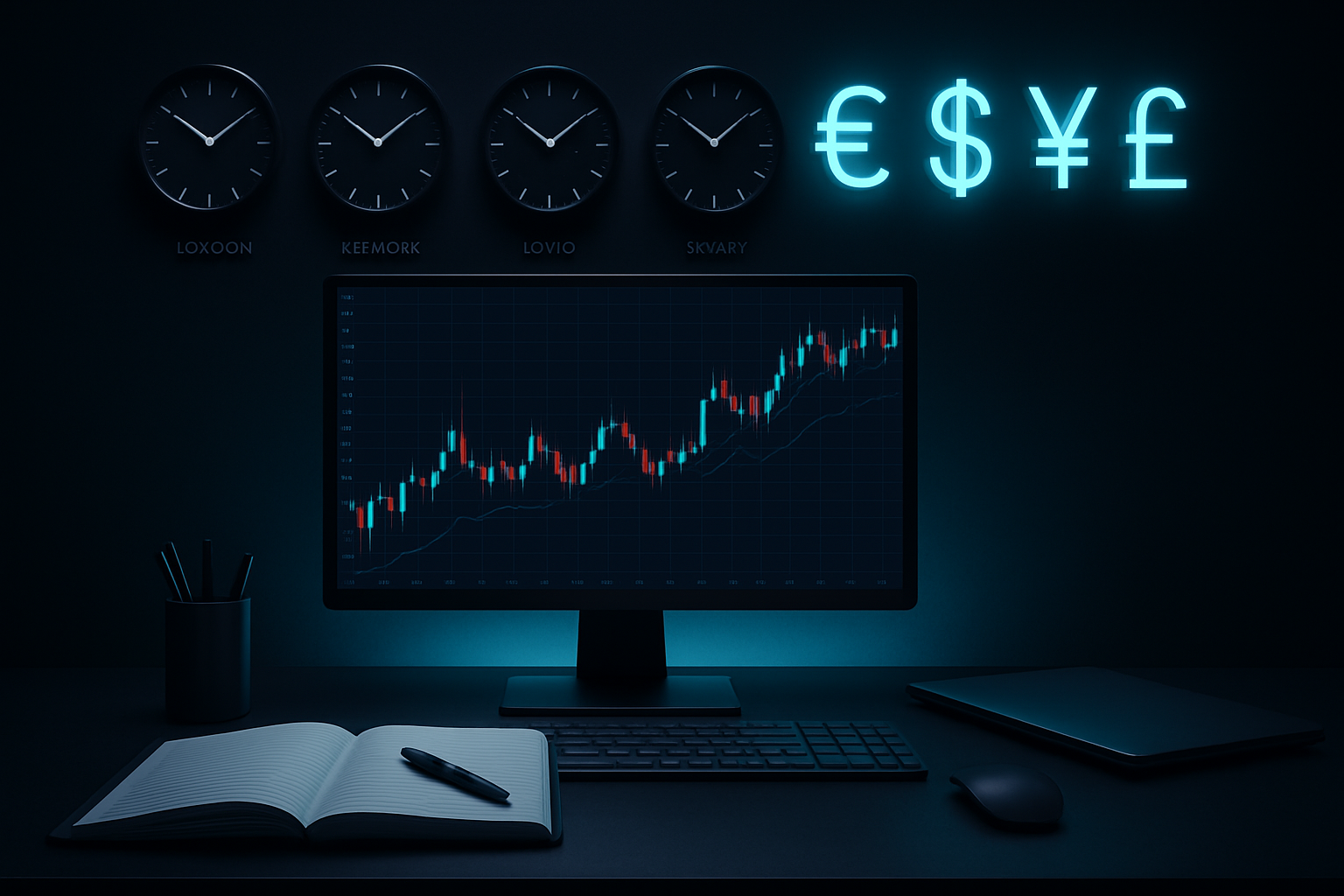
Establish Your Trading Journal Framework
Your journal foundation determines long-term success. Choose between digital spreadsheets, specialized apps, or traditional notebooks based on your trading frequency.
Excel templates offer automatic profit-loss calculations. Google Sheets provide cloud synchronization across devices. Trading-specific software like Edgewonk integrates with MetaTrader platforms.
Essential Data Fields for Every Trade
Core tracking elements separate profitable traders from gamblers. Date stamps establish timing patterns. Asset symbols track which instruments generate consistent returns.
Entry and exit prices calculate exact pip movements. Position sizes reveal risk management effectiveness. Stop-loss and take-profit levels show discipline adherence.
Emotional State Documentation
Psychology drives 80% of trading decisions. Rate confidence levels from 1-10 before entering positions. Note fear, greed, or FOMO influences affecting judgment.
Record market session timing. London overlap creates different emotional pressures than Asian quiet hours. Our Exness platform shows session indicators helping correlate mood with market conditions.
Configure Trade Entry Protocols
Systematic entry recording prevents hindsight bias. Screenshot charts immediately after position opening. Mark key support and resistance levels influencing decisions.
Document confluence factors justifying trades. Multiple timeframe alignment, indicator convergence, and fundamental catalysts create stronger setups than single signals.
Pre-Trade Analysis Documentation
Market context shapes every successful trade. Note economic calendar events scheduled during position duration. Central bank meetings, NFP releases, and inflation data impact currency movements.
Technical setup descriptions require specific language. “Bullish engulfing at daily support” provides more value than “looked good.” Our MetaTrader 5 platform offers advanced charting tools for precise analysis documentation.
Risk Management Recording
Position sizing calculations belong in every journal entry. Risk percentage per trade, account balance, and stop-loss distance determine lot sizes. Consistent 1-2% risk protects capital during losing streaks.
Leverage usage tracking prevents overexposure. Our Exness accounts offer up to 1:2000 leverage, requiring careful documentation to avoid margin calls.
Track Performance Metrics Systematically
| Metric Category | Key Measurements | Frequency |
|---|---|---|
| Profitability | Win rate, average R-multiple, monthly returns | Weekly |
| Risk Management | Maximum drawdown, risk-reward ratios, position sizing | Daily |
| Execution | Slippage, requotes, platform performance | Per trade |
| Psychology | Emotional ratings, rule violations, revenge trading | Daily |
Weekly performance reviews identify improvement areas. Calculate win rates across different trading sessions. London session might show 65% accuracy while New York produces 45%.
Monthly deep dives reveal seasonal patterns. EUR/USD behaves differently during summer doldrums versus volatile autumn periods. Currency pair rotation strategies emerge from long-term data analysis.
Statistical Analysis Methods
Raw numbers tell incomplete stories without proper analysis. Moving averages smooth daily equity fluctuations revealing true performance trends. Sharpe ratios compare returns against risk-free rates.
Consecutive loss tracking prevents catastrophic drawdowns. Five losing trades in sequence signals strategy reassessment time. Maximum daily loss limits protect accounts from emotional trading spirals.
Monitor Market Session Performance
Trading sessions create distinct behavioral patterns. Asian sessions favor range-bound strategies while London breakouts generate trending moves. Document which sessions align with your natural trading style.
Our Exness platform provides 24/7 market access across all major sessions. Swap-free Islamic accounts eliminate overnight holding costs for Omani traders maintaining positions across time zones.
Currency Pair Specialization Tracking
Focus creates expertise. Track performance across major, minor, and exotic currency pairs separately. EUR/USD requires different skills than GBP/JPY volatility management.
Commodity currencies like AUD and CAD respond to different fundamental drivers than safe-haven assets. Oil price movements affect CAD positions while gold correlations impact AUD trades.
Volatility Impact Assessment
Market volatility directly affects trading outcomes. High-impact news events create unpredictable price movements challenging even experienced traders. Document how your strategies perform during volatile versus quiet periods.
Average True Range (ATR) measurements help categorize market conditions. ATR above 100 pips on EUR/USD signals high volatility requiring wider stop-losses and smaller position sizes.
Analyze Strategy Effectiveness Patterns
Strategy performance varies across market conditions. Trend-following systems excel during directional moves but suffer in sideways markets. Mean reversion approaches profit from range-bound conditions.
Document which technical indicators provide consistent signals. Moving average crossovers might work in trending markets while RSI divergences excel in ranging conditions. Our MetaTrader platforms offer 50+ built-in indicators for strategy testing.
Backtesting Integration Methods
Historical testing validates current strategies. Import journal data into backtesting software comparing live results with historical simulations. Significant deviations indicate execution problems or market condition changes.
Forward testing prevents curve fitting. Paper trade new strategies for 30 days before risking capital. Document hypothetical results alongside live trading performance for comparison.
Review and Optimize Trading Decisions
| Review Period | Focus Areas | Action Items |
|---|---|---|
| Daily | Trade execution, rule adherence, emotional state | Immediate corrections, next-day planning |
| Weekly | Strategy performance, risk management, session analysis | Strategy adjustments, risk parameter changes |
| Monthly | Overall profitability, drawdown analysis, goal progress | Major strategy overhauls, account management |
| Quarterly | Market adaptation, skill development, technology updates | Platform upgrades, education planning |
Continuous Improvement Implementation
Trading evolution never stops. Market conditions change requiring strategy adaptations. Central bank policy shifts affect currency correlations while geopolitical events create new volatility patterns.
Our Exness research team provides daily market analysis helping traders adapt strategies to current conditions. Economic calendars, technical analysis, and fundamental insights support informed decision-making processes.
Skill development tracking measures learning progress. Rate your understanding of specific concepts monthly. Options trading knowledge, fundamental analysis skills, and risk management expertise require continuous improvement.
Technology upgrades enhance trading efficiency. Platform updates, indicator additions, and automation tools reduce manual workload while improving execution speed. Expert Advisors can supplement discretionary trading when properly tested and documented.
Optimize Your Trading Journal with Exness
Using Exness tools and platforms enhances journal accuracy and usability. Integration with MetaTrader 5 and synchronization features streamline trade tracking and analysis.
Leverage Exness research and analytics to refine strategies and risk controls. Continuous journal updates help traders in Oman stay ahead of market changes and improve results.
❓ FAQ
What is the main benefit of keeping a trading journal?
A trading journal creates accountability and reveals patterns in decision-making, helping traders improve their performance systematically.
How does Exness support trading journal management?
Exness integrates with popular trading platforms and offers session indicators, leverage tracking, and research tools to assist in detailed trade documentation and analysis.
What emotional factors should be recorded in a trading journal?
Traders should note confidence levels, fear, greed, FOMO, and session-related emotional pressures to better understand psychological impacts on trading decisions.
Why is risk management documentation important?
Recording position sizing, risk percentages, and leverage usage protects capital and prevents overexposure, which is crucial for long-term trading success.